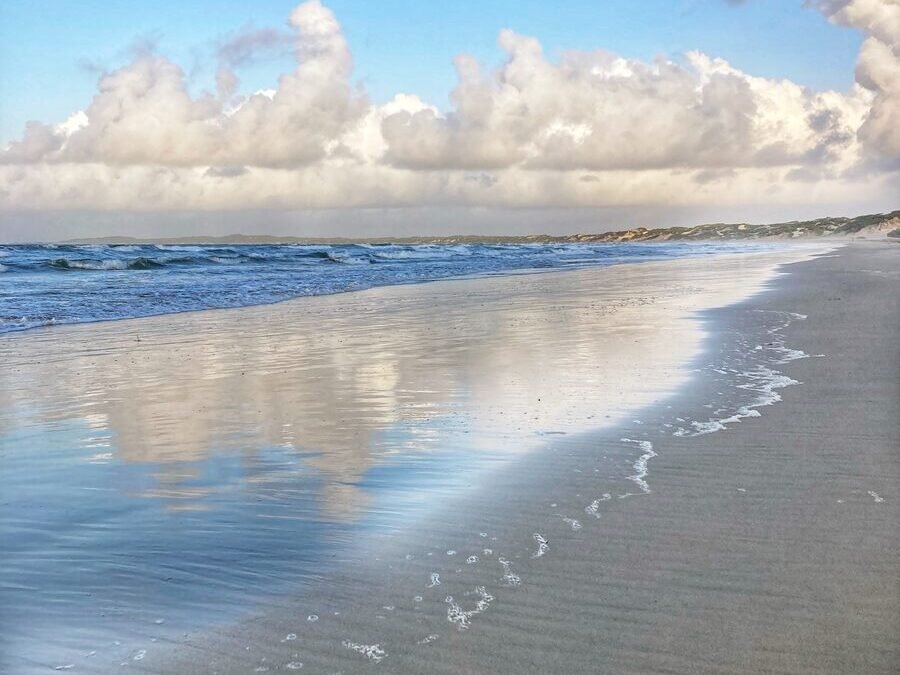
Taking an early morning jog and watching the sunrise along the empty 13 km stretch of Shela Beach truly feels like you have landed in a little slice of paradise. The Lamu Archipelago, on the northern coast of Kenya, is a little-visited, off-the-beaten-track destination; a place where time moves slowly with the tides, where fish dance abundantly for the catching, where artisans craft incredible wooden pieces by hand using age-old techniques, where donkeys replace cars, and where there is delicious food for all tastes and budgets.
Inhabited for over 700 years, Lamu Old Town is one of the oldest settlements along the African coast and is often considered the best example of traditional Swahili living. In its long history as an important trading port for both the slave trade and other valuable goods such as spices and fabrics, it has, in fact, been influenced by a melting pot of cultures, including Arabic, Indian, and European. This has culminated in a destination that truly has something to offer everyone.
A walk through the narrow, winding lanes of Old Town (only wide enough for a person or a donkey—there are no cars on the islands) reveals coral stone walls and ornately carved mangrove timber. The sounds of chisels at work resonate off the walls as artisans practise the age-old craft of traditional Swahili carving. The smell of spices from small duka stores tucked into the narrow alleyways is intoxicating. It is easy to see why this is a UNESCO World Heritage Site, given the sheer lack of modernisation that seems to exist here.
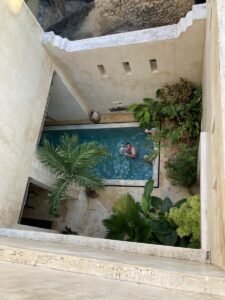
Ornately carved wooden doors line the streets of Old Town. Stepping through one of these doors, we were welcomed into our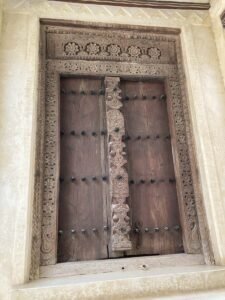 incredible Airbnb—a traditional four-storey home built around a courtyard, with a swimming pool on the ground floor and a rooftop terrace above from which to watch the sunsets and catch the late-afternoon breeze while listening to the mosque’s call to prayer. Aptly named Dar El Eden, this home was an absolute treasure. Cleverly combining traditional Swahili architecture with modern amenities, our every need was catered to by the live-in chef, who served us freshly squeezed fruit juices each morning, all watched over by the resident live-in tortoises.
The Lamu Archipelago is made up of three main islands: Manda Island, where the tiny airport welcomes you under the shade of a giant baobab; Lamu Island, comprising the settlements of Old Town and Shela; and Pate Island, most frequently visited as a day’s excursion to see its several historic ruins. From Manda, you can take a boat to either of the other two islands.
 We divided our time between the more traditional Old Town of Lamu and the sleepy yet sophisticated settlement of Shela, just around the corner. Shela is home to the often-romanticised Peponi Hotel—a place to enjoy an ice-cold Dawa cocktail under the shade of white bougainvillea. Conveniently located next to a small jetty where dhows and motorboats dock, it offers everything from a water taxi back to Old Town to a full-day fishing excursion.
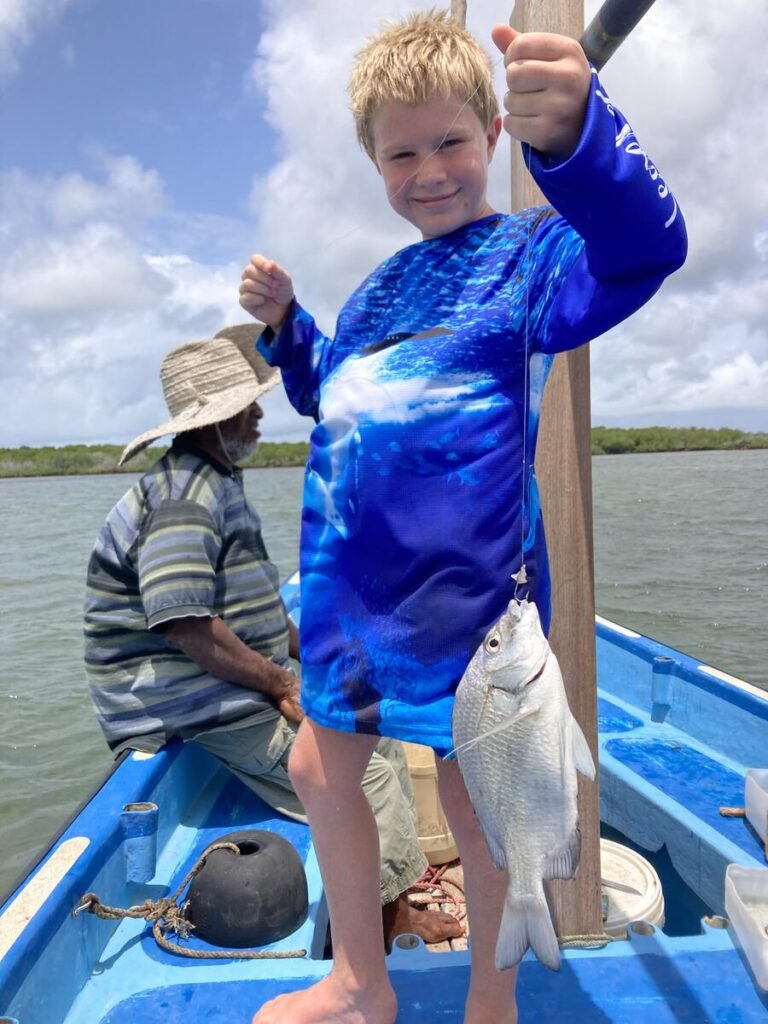
We spent a lot of time on the water and would highly recommend a fishing adventure. Globally famous for its deep-sea fishing, a day spent beyond the reefs on the open water gives you the opportunity to reel in sailfish, yellowfin tuna, marlin, or dorado (best enjoyed between October and April). As we visited in August, outside the main fishing season, we opted instead for a trip to explore the mangroves and sandy bays around Manda Island.
Using traditional hand-line fishing techniques (or mshipi as it is referred to), we were able to catch a bucket full of red snapper,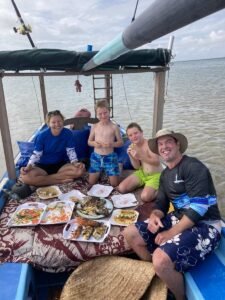 grouper, and sea bream in less time than it took to down our first cool drink of the day. Finding a secluded bay on Manda Island, we borrowed some coals and traded some fish for a lobster with local fishermen. Our expert local guides masterfully blended a curry paste of Swahili spices, fresh coconut, and lime juice to cook with the fish while we swam, explored endless sandy beaches, and hunted for shells. The fish—and lobster—turned out to be one of our finest gourmet experiences on the islands.
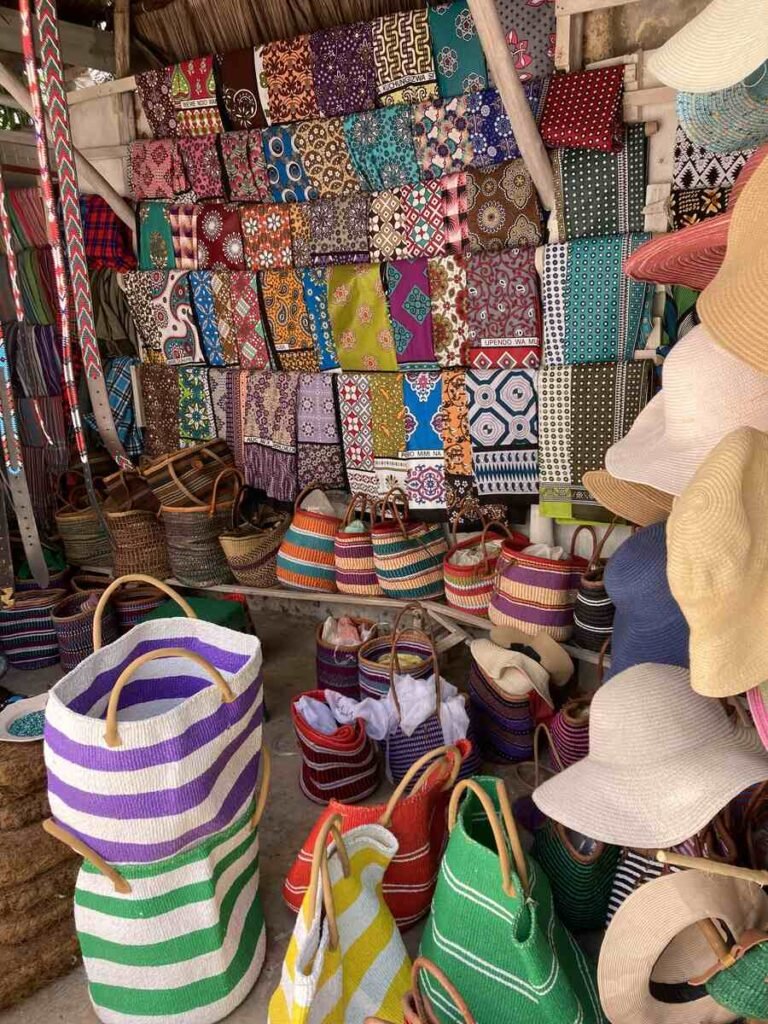
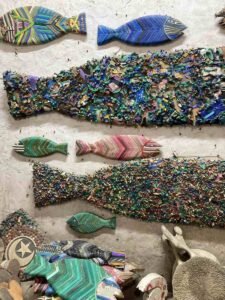
Other days were spent exploring the sand dunes (could you sandboard here?) and wandering the labyrinth of lanes in search of artisan treasures and the hands that make them. Lamu Old Town and Shela both offer plenty for the shopaholic, from the wood-carving workshops of Old Town, where products are carved while you wait, to the high-end boutiques of Shela, where you can source Kenyan-made products ranging from leather goods and jewellery to clothing and baskets.
It should be said, however, that much of this comes with a hefty price tag. If left unnegotiated, a hand-carved wooden fish could set you back as much as $1,000. The beachfront stores offer traditional Kiondo baskets at inflated prices. If you would like to take one home, the best places to buy them are the markets of Nairobi or the villages around the Tsavo region where they are woven.
 Shela is renowned for its tailoring businesses. Dresses, shirts, and skirts can be found in a multitude of designs throughout the boutiques. For something authentically Kenyan, opt for garments made from traditional fabrics such as kanga, kikoi, or kitenge. Many of the other clothing options are made from imported Indian cotton and bear the price tag of having changed hands several times between manufacture and finished product.
One upmarket boutique worth visiting is Lulu Stories, an artisan collective showcasing beautifully woven fabrics, hand-carved wooden pieces, and the incredible scents of the Cinnabar Green collection. They even have their own weaving studio, allowing visitors to see the artisans at work.
An important part of any holiday adventure is the culinary experience. While we loved visiting some of the classic dining establishments in Lamu, such as Kijani Rooftop Restaurant for its Swahili seafood curries, lingering over a cappuccino at Bahari Coffee Bar, or enjoying kingfish ceviche with a sundowner at Peponi Hotel, some of our favourite foodie experiences were much simpler.
A mandazi (doughnut) and chai (spiced tea) from a local tea shop, and the incredible crab samosas sold by “the beach guy”, remain among our most memorable meals. He would find us every day as we wandered along the beach, lounged with a book, or threw ourselves into the high-tide waves. He could always tempt us with these perfectly spiced treats, hot from the pan and wrapped in newspaper in his traditional kikapu basket.
Oh, Lamu… there is so much that makes you special.
Why You Should Visit
- For the 13 km stretch of mostly empty beach at Shela.
- For the warm waters of the Indian Ocean and its perfectly sized waves.
- For the rich history of this incredible Swahili archipelago.
- For the bliss of getting off the beaten track and escaping the madding crowd.
- For the traditional artisans who continue to practise their crafts.
- For authentic fishing experiences that remind you parts of the ocean remain abundant with fish.
- For the coffee, seafood, spices, and unforgettable Swahili cuisine.
Getting There
Kenya offers affordable domestic flight options with Jambojet and Skyward Express. You can fly directly to Manda Island from Nairobi or Mombasa in just a couple of hours.
Travelling from Zambia? Zambian Airways offers some of the best direct flight options and flight times from Kenneth Kaunda International Airport.